
Ship Dry Docking Overview
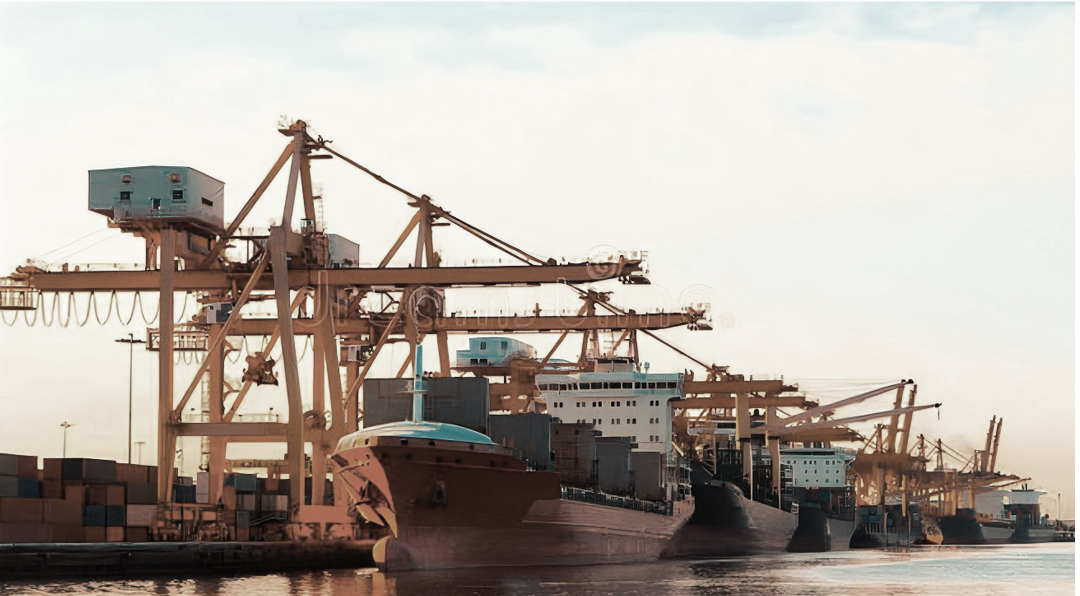
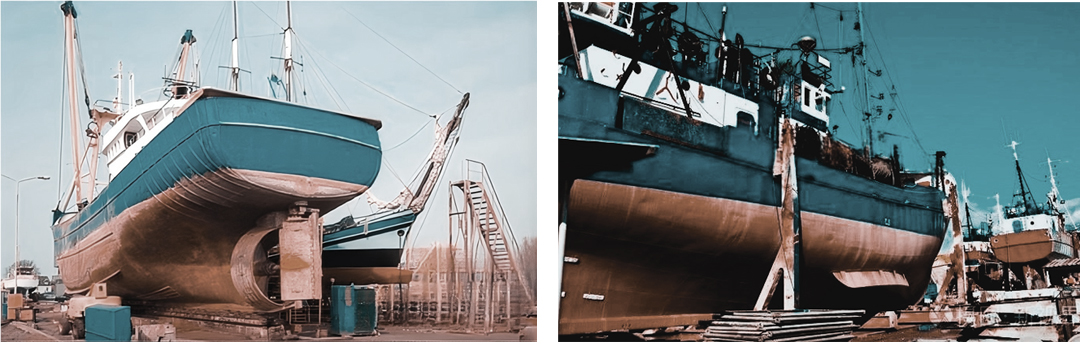
Ship dry docking refers to the process of docking a ship in a dry dock for regular or irregular maintenance and repairs. It is a critical part of ship maintenance to ensure the ship's structure, machinery, equipment, and electrical systems remain in good condition for safe and efficient operation. Dry docking typically involves hull inspection, cleaning, repairs, painting, and the checking and servicing of mechanical equipment. It is essential for ensuring the long-term, stable operation of the vessel.
Services Provided
● Hull Inspection and Repair: Inspect and repair the hull, bottom, and bulkheads for wear and corrosion.
● Propulsion System Maintenance: Inspect, clean, and maintain the main and auxiliary engines, propellers, and rudders.
● Electrical System Inspection: Inspect electrical systems, distribution devices, and equipment.
● Bottom Cleaning and Coating: Clean the bottom, remove dirt and algae, and apply anti-corrosion coatings.
● Equipment Replacement and Upgrades: Replace aging or damaged equipment.
● Paint and Anti-Corrosion Treatment: Repair paint and anti-corrosion coatings.
● Inspection and Certification: Conduct inspections and provide certification for safety and environmental compliance.
● Drainage System Maintenance: Inspect and repair drainage, pump, and cooling systems.
Advantages
● Extend Ship Lifespan: Regular dry docking reduces failures and maintenance costs, extending the ship's lifespan.
● Ensure Ship Safety: Inspections and repairs identify issues early, reducing risks and ensuring safe navigation.
● Enhance Ship Performance: Replace outdated equipment to improve power, efficiency, and speed.
● Comply with Regulations: Ensures compliance with IMO and national standards, avoiding fines or shutdowns.
● Reduce Downtime: Timely maintenance minimizes downtime and improves operational efficiency.
Application Scenarios
● Commercial Vessels: Container ships, oil tankers, and LNG carriers require regular dry docking for safety and efficiency.
● Fishing Vessels and Cruise Ships: Fishing boats and cruise ships need dry docking for machinery, propulsion, and hull maintenance.
● Government Vessels and Warships: Government vessels and warships require specialized dry docking to ensure operational readiness.
● Engineering Vessels: Offshore service vessels, wind turbine installation ships, and dredging vessels require regular dry docking to ensure optimal performance and reliability for marine construction and infrastructure projects.


 +86 (0)21-38022227 +86 (0)29 88825541
  info@hissenmachinery.com